Our commitment and goals

Web graphics Master - all sizes-07-2024

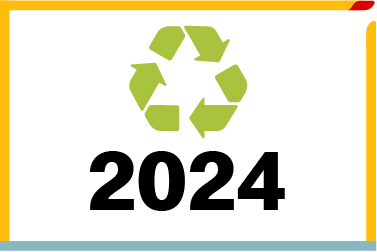
Ongoing: By 2024 our customer packaging will be made from renewable, recycled or certified sources and designed to be recyclable or compostable

Web graphics Master - all sizes-07-2024

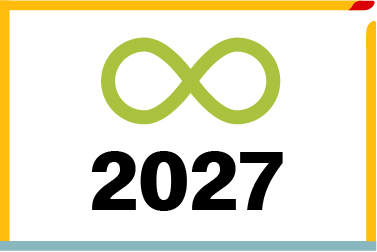
By 2027 give the waste* collected from our restaurants a second life by recycling, reusing or composting 

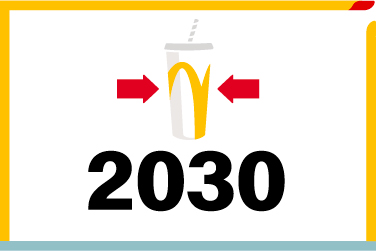
By 2030 reduce the amount of material used across packaging in customer and kitchen areas in the McDonald’s system by 20% versus 2023***


We believe that the future of materials is circular and that we need to close the loop on waste. Our goal is to make sure that, by 2027, McDonald’s restaurant waste is given a second life so that nothing is truly wasted – instead it is recycled, reused or composted.

When it comes to our packaging we consider what it’s made of and what happens to it after it has protected our food. Our aim is that none of the materials we use in our packaging will be from finite resources. Our goal is for all our primary customer packaging to be recyclable or compostable.

We’re helping to bring packaging back to life again in fun and useful ways, such as sending paper cups to be recycled into paper bags, greeting cards and perfume boxes.


Reimagining packaging

We’re helping to keep waste out of nature by reducing our packaging and switching to more sustainable materials that can be recycled or composted.

Web graphics Master - all sizes-07-2024

Recyclable packaging

In 2023, 93% of our customer packaging was made from renewable, recycled or certified sources and 100% was either recyclable or compostable.


Paper-based cutlery

The biggest impact in 2022 was our switch to paper-based cutlery made from FSC certified paper – it’s light, resilient, and compostable or recyclable.

Recycled drinks lids

In 2024, we increased the recycled content of our plastic lids for cold drinks from 40% to 100%.

Web graphics Master - all sizes-07-2024

We’re changing our lids… again!

We’ve temporarily returned to plastic lids on our hot drinks after customer feedback showed our moulded fibre lids didn’t meet expectations. We’re currently exploring better‑performing alternatives that meet our quality standards, while continuing to work towards our goal of making all our packaging from renewable, certified or recycled sources.


Plastic-free salad boxes

In addition to removing the plastic lids from our McFlurry® cups in 2022, we also introduced plastic-free salad boxes and breakfast platters.

Re-using ingredients waste

We are exploring pilots that use different waste streams such as bioplastic made from our used coffee beans and starch from potato waste for our wall graphics and adhesive.

New Approach to Happy Meal® Toys  

Happy Meal® toys have been providing children with hours of play time, and we want to ensure the toys and books that we offer are fun, engaging and robust. 

In 2021 we set ourselves the global challenge to drastically reduce the use of virgin fossil fuel-based plastics and transition to more sustainable materials in our Happy Meal toys by the end of 2025.  

For some time, we have continued to explore different materials, games and soft toys, which recently included paper fibre toys. While the move to paper has been successful and given us valuable insights into its potential, it has also shown us its limitations, so it’s important that we choose the right material for the right toy. In some cases, that will still mean paper, but for others, we will look to incorporate different durable materials. 

That’s why we are testing the Mass Balance approach for some of our Happy Meal toys to help ensure they’re robust enough to last for hours of playtime.  

How it works

Sourcing 

To create the plastic material businesses like us need, our suppliers mix fossil-fuel materials, and renewable or recycled raw materials, such as used cooking oil. We then use this to make some of our iconic Happy Meal® toys.

Producing

Our suppliers provide us with certificates to confirm the amount of renewable materials we’ve purchased when it comes to making some of our toys.  

Testing  

Our toys are rigorously tested, to ensure quality and safety remain at the heart of everything we do, while continuously improving our manufacturing process.  


The Mass Balance approach will reduce the use of fossil-based sources that are otherwise needed to make some of the Happy Meal toys for our global business. 

Recycling Used Toys 

We continue to explore different ways that will help make recycling even easier for our customers. Any unwanted small hard plastic toys can be donated or recycled following this guidance.

This move is the latest in an ongoing journey, and we are committed to continuing our research and development to find the best possible materials that produce great toys and also help meet our global sustainability goals.  

Making it easy for customers to recycle

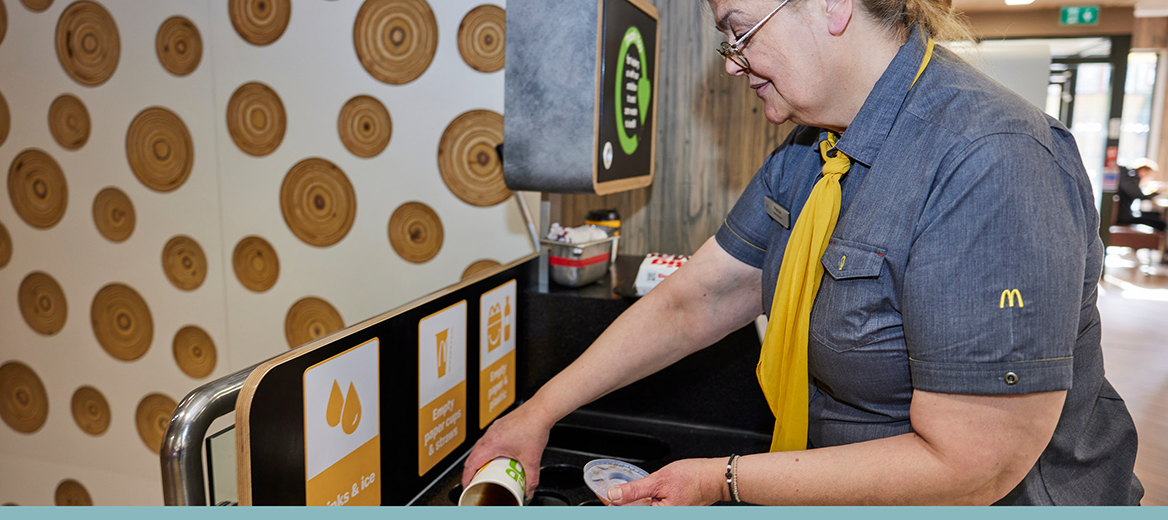
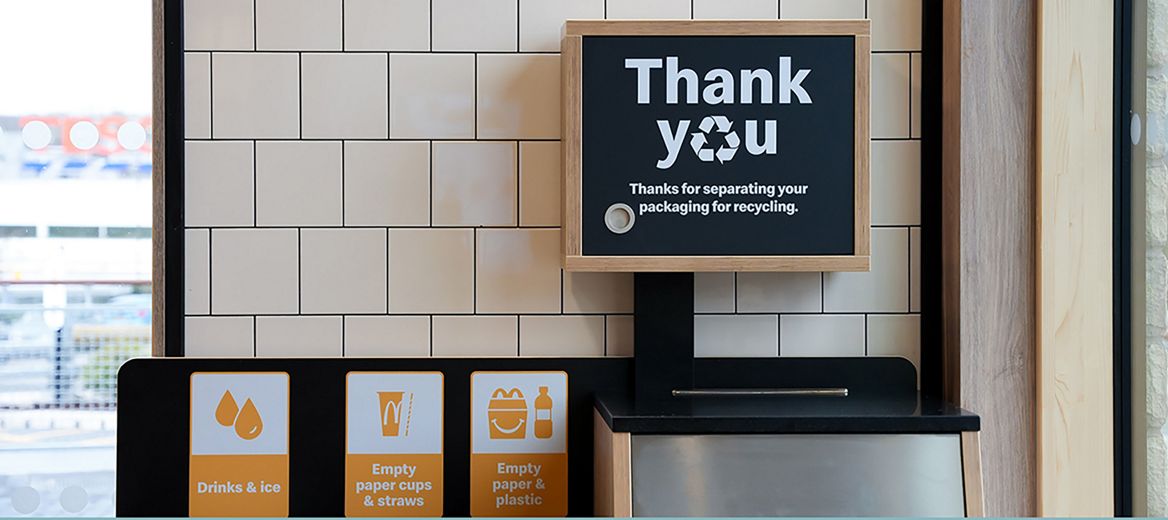
We have made it easy for customers to play their part by installing recycling bins across our restaurants. And we're including clear recycling labelling on all packaging to help customers to recycle at home.

Our partnerships

Bord Bia Logo

Bord Bia

Food Drink Ireland logo

Food Drink Ireland

Net Zero standard restaurants

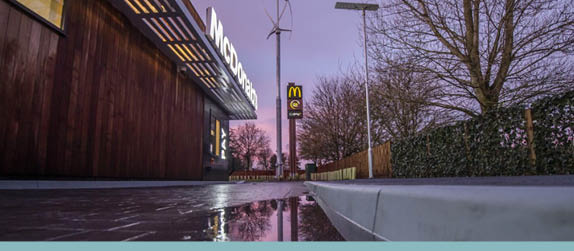
Developing Great Restaurants doesn’t stop with our commitments on waste. Our Plan for Change also includes goals to achieve net zero standard restaurants.

Our Plan

Our long-term goals in full

See the details behind our Plan.


*Excludes car park and sanitary waste

**Annual reduction compared to 2023

***Change made in 2021 in Republic of Ireland and 2022 in the UK


Order McDelivery®

Select a delivery partner to continue
Please select a McDelivery® partner.
You are leaving McDonald’s to visit a site not hosted by McDonald’s. Please review the third-party’s privacy policy, accessibility policy, and terms. McDonald’s is not responsible for the content provided by third-party sites.